When hunting discussions evolve into conversations about ethics, most of us jump into the fray willingly, espousing our own viewpoints to whoever’s listening, often with a sense of moral superiority. But do we really walk the talk when it comes to our decisions in the field? Hunting is unique in that our ethical standards are seldom on display; conundrums often emerge when we’re alone, with nobody to judge our behavior. Most of us like to think our ethics are wholesome, but the truth is our hunting ethics are seldom exposed to scrutiny.
So what, exactly, are ethics? In simplest terms, ethics are the standards of right and wrong that prescribe what we ought to do, usually in terms of rights, obligations, benefits to society and fairness. They are internally defined and adopted, require observation and introspection, are developed from personal experience and most often serve the time and place in which you find yourself.
The first modern discussions of hunting ethics were led by none other than Theodore Roosevelt, who in 1893 put into words the concept of “fair chase”, a standard that, while considerably expanded since first introduced, remains at the heart of hunting ethics to this day. In 1948, Aldo Leopold introduced the concept of a “land ethic” in his renowned treatise A Sand County Almanac. But even Leopold recognized the individual nature of true ethics, noting that simply distributing information about conservation would not, by itself, create the land ethic he envisioned.
Why should we talk about ethics? It’s important that each of us think carefully about how we want to act when faced with choices in the field. A little forethought and introspection will help you make decisions you can take pride in. Think about some of the following common ethical dilemmas that regularly challenge hunters—how do you act when nobody’s watching?
1. Respect the rights of others.
Private landowners are the most important stewards of our natural resources. Do you always ask for permission before entering private land? Do you close all gates and report problems or concerns with livestock, land or buildings that the landowner should be aware of? Have you ever offered to help with chores? Do you leave behind nothing but footprints when you pack up for home? Do you thank landowners for their generosity and offer to share some of your game if you’ve been successful?
2. When it’s 10 minutes past legal light.
There’s minor give and take around legal shooting times if you choose to play the system, and game always seems to be more active in the later hours of the day. How do you handle this issue? Do you set your watch as accurately as possible, follow the sunrise/sunset tables closely and hunt accordingly? Or do you believe that as long as you’re close, it’s good enough?
3. Give unto others.
Do you support the hunting and conservation organizations that have taken on much of the responsibility for restoring and managing our wildlife and habitat? Have you thought about giving back through donations of time or money? Do you feel that each of us has a responsibility to give back to the resource which offers us so much enjoyment?
4. Straight shooting.
Do you understand the limits of your firearm, your ammunition and your shooting skills, and do you restrict your shots to within these boundaries? Do you refrain from taking less than optimal shots at game, irrespective of its trophy quality?
5. Making every effort.
Retrieving downed and wounded game matters, whether it’s a monster buck or a shoveler in the marsh? Do you treat all game with equal reverence and respect?
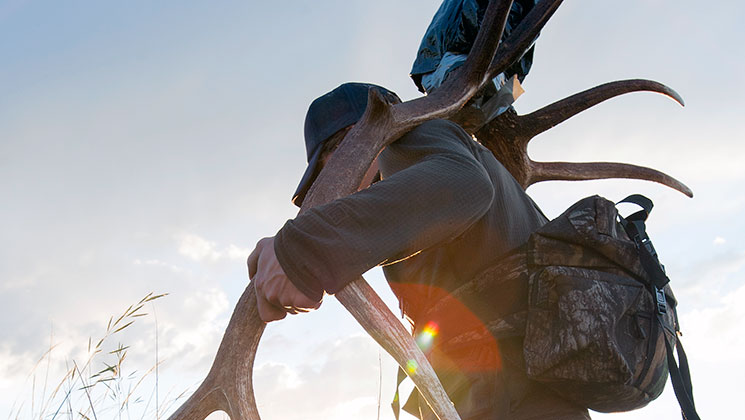
6. The work comes after the kill.
How do you handle your game once it’s been retrieved? Is the cleaning, transporting, cooking and overall care of the meat you’ve collected as important to you as the taking of it?
7. Relationships with other hunters.
Do you jump to the shot when your partners are a little slow to react to opportunities? Do you ensure that all in your party get equal opportunity when circumstances allow? When waterfowling, do you hold off when you know you’ve shot your personal limit of birds, or do you treat it as a group limit and shoot until everyone’s bag is full? Do you fill your partner’s tag in the spirit of “party” hunting or allow others to fill your tags without appropriate licensing?
8. It’s not all about you.
How do you respond when you see other hunters acting illegally or inappropriately? Do you call in to the poaching hotline, personally reprimand them and remind them of the regulations, turn away shaking your head in disgust, or simply ignore them, believing that it’s not your job to police the actions of others?
9. Think about your hunting legacy.
When looking to the future of hunting, what role do you take in ensuring that others will have the opportunity to enjoy the experiences and traditions you have? Is mentoring a youth or novice hunter part of your personal creed?
10. A respected hunter, in the field and out.
The majority of the public are non-hunters who accept hunting as long as it’s conducted in a lawful, responsible way. Are you respectful of their expectations and do you represent yourself and the hunting community in a positive way?
Most of us know what’s “right” when it comes to hunting, but how many of us act consistently based upon our own supposed ethical standards? Remember, being politically correct does not necessarily equate with being ethical. More than ever the hunting community must coalesce to ensure that we act, and are seen to be acting, to the highest possible ethical standards. Are you doing your part?