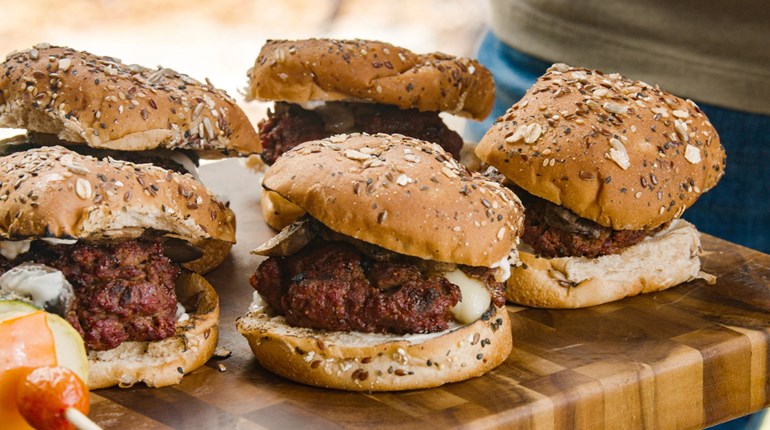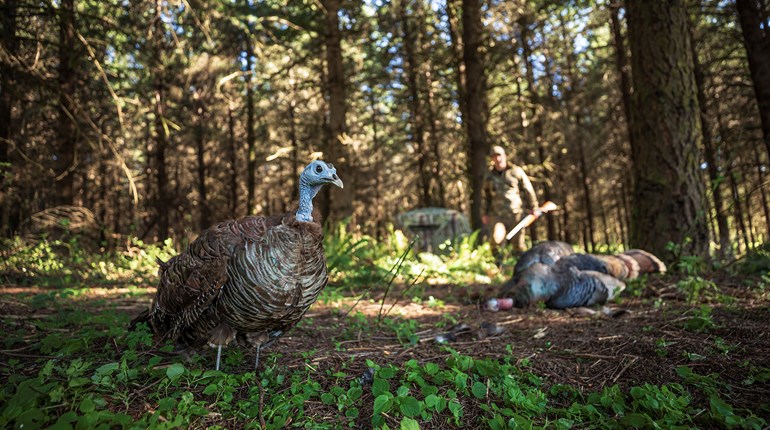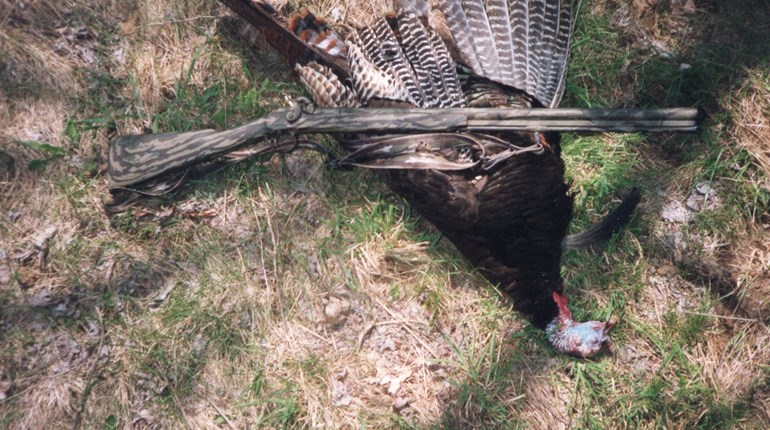
Though wild turkey is revered as a top quarry among America’s hunters, it’s often under-utilized as table fare. Many hunters will cut the breast meat out of the bird and toss the carcass, either because they think the legs and wings are inedible, or because they perceive them as being too tough to eat. To be sure, the legs are indeed tough, but are a gourmet’s delight when cooked properly. The wings are likewise delicious, but it takes some effort to pluck the large feathers, but the extra work is worth it. This recipe creates a gastronomic delight out of much-maligned meat.
Ingredients:
• turkey legs and wings
• chicken broth
• juice of ½ lemon
• ½ teaspoon salt
• ½ teaspoon black pepper
• ½ cup carrots, diced
• ½ cup celery, diced
• ½ cup onion, diced
• 1 tablespoon grated Parmesan cheese
• cooked rice or noodles, if desired
Directions:
1. Using a sharp knife, remove the legs at the joint above the top of the drumstick where it joins the body. Once removed, don’t pluck them, skin them. The wings need to be plucked to remove the large feathers. Cut the wings off at the joint where the wing joins the body. Cut off the outer part of the wing at the joint.
2. Place the legs and wings in a crockpot, and add enough chicken broth to cover. If necessary, cut the leg into two sections—the thigh and drumstick—if they won’t fit in your crockpot in one piece.
3. Add the juice of half a lemon, salt and pepper, and allow to cook until the meat is tender and can easily be pulled off the bones. Don’t be discouraged if they aren’t done after 8 hours in the crockpot, it could take 10 hours or more, especially if you’re cooking a longbeard—a jake will usually cook sooner than an older bird. If you’ve taken a hen during a fall hunt, you might not be able to determine age. Simply cook until it’s tender. Reserve the liquid.
4. When deboning after the meat is cool enough to handle, you’ll notice the drumsticks will have long, slender flexible bones. Carefully pull the bones out of the meat, they’re easily removed.
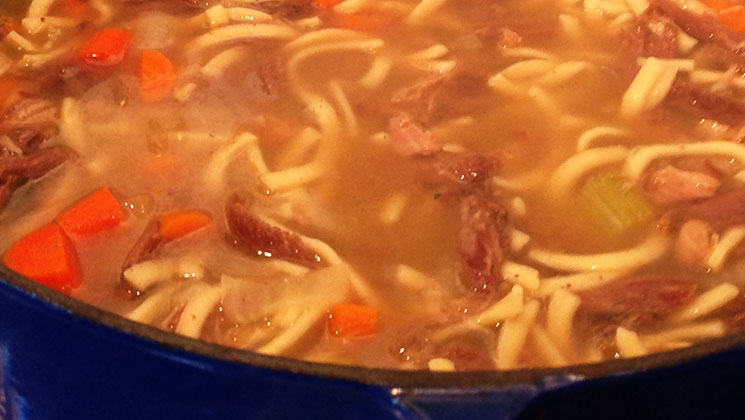
5. Separately cook diced carrots, celery and onion in water until tender. Drain and add to meat and liquid that was used to cook the legs. Add the Parmesan cheese and heat until all is warmed throughout.
6. Stir in cooked rice, or cook noodles separately and add later, if desired.