 The Dallas Safari Club has faced a fair bit of scrutiny in the past week after announcing that it plans to auction the rights to a black rhinoceros hunt off to the highest bidder. The gripe, of course, is the status of the heavily poached black rhino—it's estimated that only 5,055 remain on the planet.
But it is precisely because of the species' highly endangered status, though, that has prompted the organization's action. The Dallas Safari Club is on an mission to help save the black rhino, and has gone for an outside-of-the-box approach to generate some funds. All of the money raised from the auction—which the group hopes could go as high as $1 million—will be reinvested in protecting the species from poachers. So, the plan is to kill one rhino to protect many rhinos. The government of Namibia and the U.S. Fish and Wildlife Service have both signed off on the plan. The funds raised will be donated to the Conservation Trust Fund for Namibia's Black Rhino.
It's important to note that, in Africa, poaching is a little different. In North America, poachers tend to be "in the business" to rack up trophies—typically out of season, or on land they don't have permission to hunt. In Africa, though, it's usually about money. Rhinoceros horns are reported to sell for more per ounce than gold in Asia, making the behemoths a lucrative target for the bad guys. The horns command such high prices because there’s a growing belief in parts of Asia that they can be used to cure major diseases, including cancer.
And no, this has never been scientifically substantiated. But, long story short, the laws of supply and demand have not been friendly to the rhino.
All told, I think the DSC's approach is a fantastic plan. A potential million dollar payday would be a substantial boon to Namibia's conservation fund, and give the country a chance to fend off the typically heavily armed poachers it deals with. At the cost of a single rhino. This is kind of a "the needs of the many outweigh the needs of the few" situation.
As you can imagine, there are plenty of folks that disagree—and, not-so-surprisingly, the Humane Society of the United States is at the front of the line. HSUS president Wayne Pacelle claims the whole thing doesn't make sense. As you might imagine, HSUS will be campaigning against the auction. One of detractor's biggest gripes is, of course, that the winning bidder is seeking little more than a trophy.
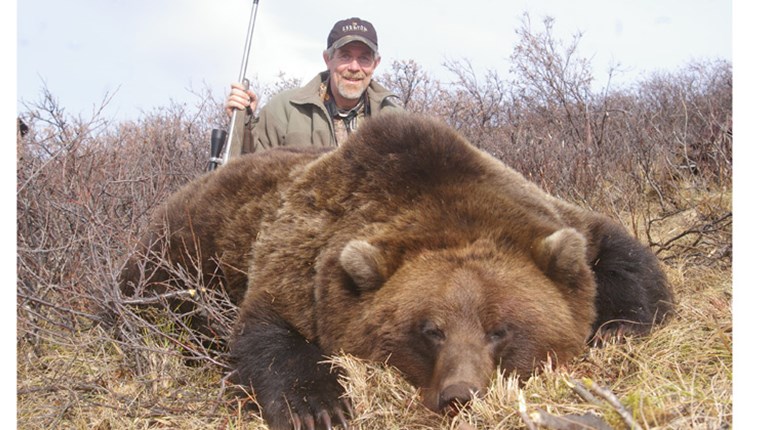
My response to that is... who cares? We've got an organization here that's trying to help raise money to help save the black rhinoceros population—a substantial amount of money, at that. And the entire plan has been approved by officials in both Namibia and the United States. If the winning bidder wants to hang his legally acquired rhinoceros trophy on the wall, who are we to judge? That same hunter will have also just provided close to a million dollars in support of the cause. I've seen no such counter-proposal from HSUS.
Furthermore, plans have already been made to carefully monitor the rhinoceros harvested during the hunt. The winning bidder will be sent after an older male rhino that has already produced offspring and is in reproductive decline. The removal of a territorial, older bull from the population will actually encourage more younger males to begin their own reproductive cycles, according to reports.
The whole package is an outside-of-the-box proposal, for sure—but at its core, it makes an awful lot of sense. As most of our readers know, taking actions to control a population is one of the best conservation tactics we have. To the casual observer, killing an endangered species to save that very species might not make sense on paper—especially after an organization like HSUS has put some spin on it. In this case, Namibia can help fund its anti-poacher efforts while taking textbook action to help support its local black rhino population. Sometimes, the ends very much justify the means.