BullShooters: 7 Suppressor Myths

by
posted on June 3, 2015
** When you buy products through the links on our site, we may earn a commission that supports NRA's mission to protect, preserve and defend the Second Amendment. **
bullshooters_silencer_myths_f.jpg

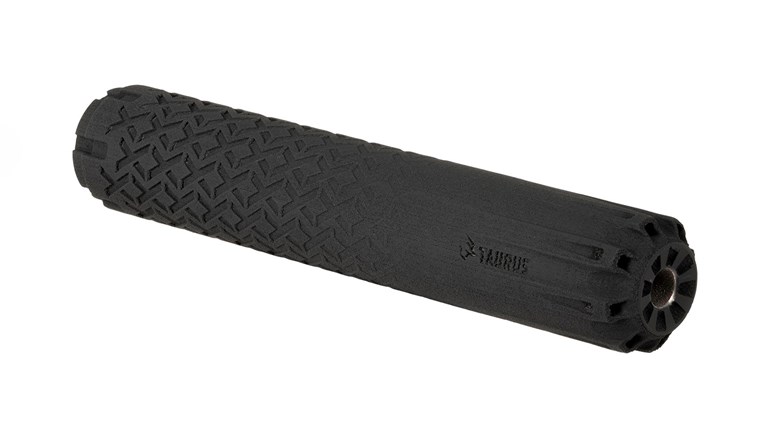
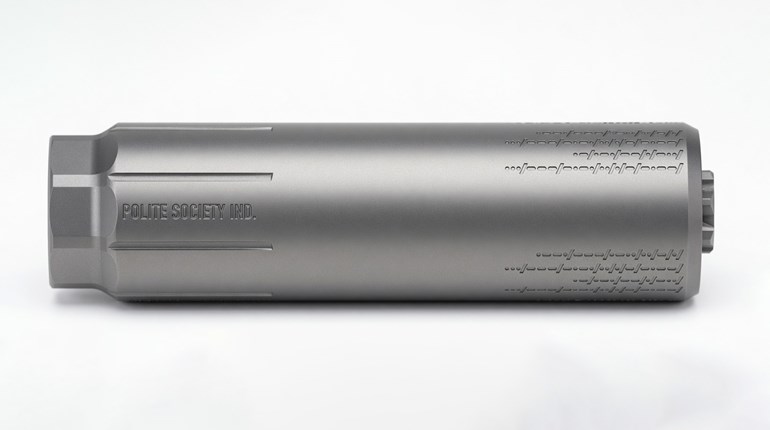
Because silencers (or suppressors) have been regulated and priced out of the average Americans’ means since 1934 (the required federal $200 tax stamp on a 3.50 Maxim silencer equated to $3,500 in 1934 dollars), many folks misunderstand both the laws associated with owning one. Here are seven myths—and the seven corresponding truths—about silencer ownership.

Myth 1: Silencers are illegal to own.
False. Right now, 39 states allow ownership of silencers and 34 states allow hunting with them. See the map here.

Myth 2: It takes a year or more to get a silencer.
“Right now (May, 2015) the BATF’s wait time is around 3 months,” said Jeremy Mallette of Silencer Shop. Then it’s up to the dealer to get your silencer to you.

Myth 3: The ATF can enter your house at any time.
Patently false. “In fact," Mallette says, "You have the same rights as before you purchased a silencer.”

Myth 4: You have to pay an annual fee to own a silencer.
Nope. It’s a one-time $200 tax stamp per silencer. 

Myth 5: You can only use your silencer on one gun.
Incorrect. You can use it on any gun.

Myth 6: You must have a class III license to own a silencer.
“Reality is, only your FFL needs a Class III license to buy and sell without paying a tax. You can own a silencer with a $200 tax stamp,” said Mallette.

Myth 7: You must get fingerprinted to get a silencer.
This one's true—if you register as an individual. But you can also form a legal trust, which can allow you to acquire a silencer without having to submit fingerprints.

Latest

Lead Photo 22 Loing
Lead Photo 22 Loing

Behind the Bullet: The .22 Long

If we could rewind the clock to 1871, before the .45-70 Government and .45 Colt existed, and when cartridges themselves were just establishing a foothold in the shooting world, you’d find a pair of .22-caliber rimfire designs: the .22 Short and the .22 Long. Aptly named, these cartridges would survive well into the 20th century, ultimately being conquered by the .22 Long Rifle cartridge. But in certain situations, the .22 Long cartridge still makes good sense, and actually has a few specialized applications.

Reviewed: Sitka’s Blizzard Pro Parka

Sitka seems to keep “one upping” themselves with gear that not only keeps hunters in the field at a good comfort level, but also with gear that is well made and fits extremely well. Need a parka for the extreme cold, wet or wind? This Sitka product that could be the last parka you will need!

Suffix to Say: The Savage 99 by the Letter(s)

A savage primer to the letters that make up the models of the 99.

New Black-Bellied Whistling Duck Season in Louisiana

A special nine-day Louisiana black-bellied whistling duck season began Oct. 3 and runs through Oct. 11.

Choosing the Proper Goose Load

When gunning for geese, use these tips to select the optimal load.

First Look: Derya Arms EX1300 O/U Shotgun

Derya Arms has introduced the EX1300, a break-action over/under shotgun offered in 12-gauge, 20-gauge and .410 bore.

Interests


Get the best of American Hunter delivered to your inbox.