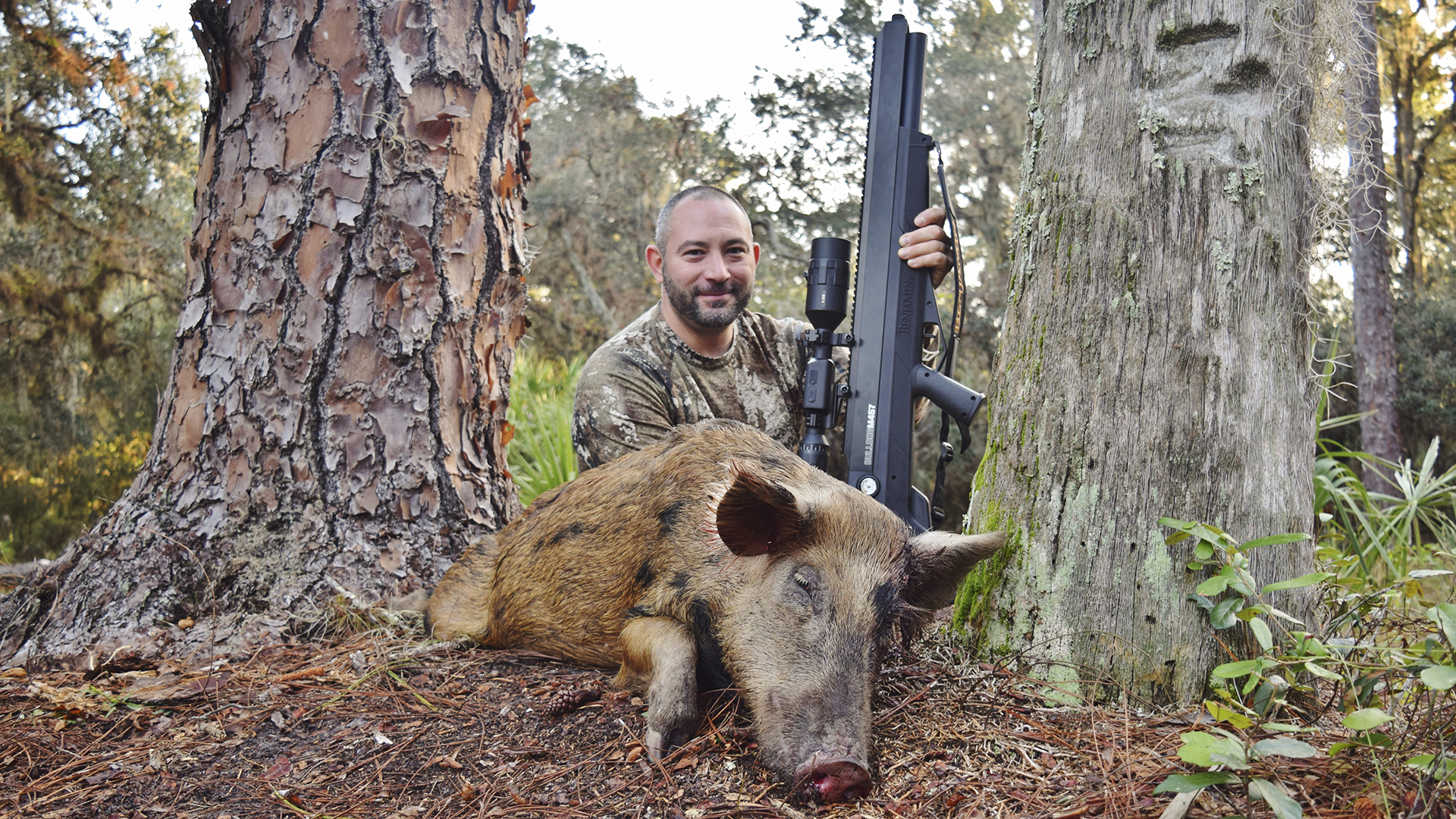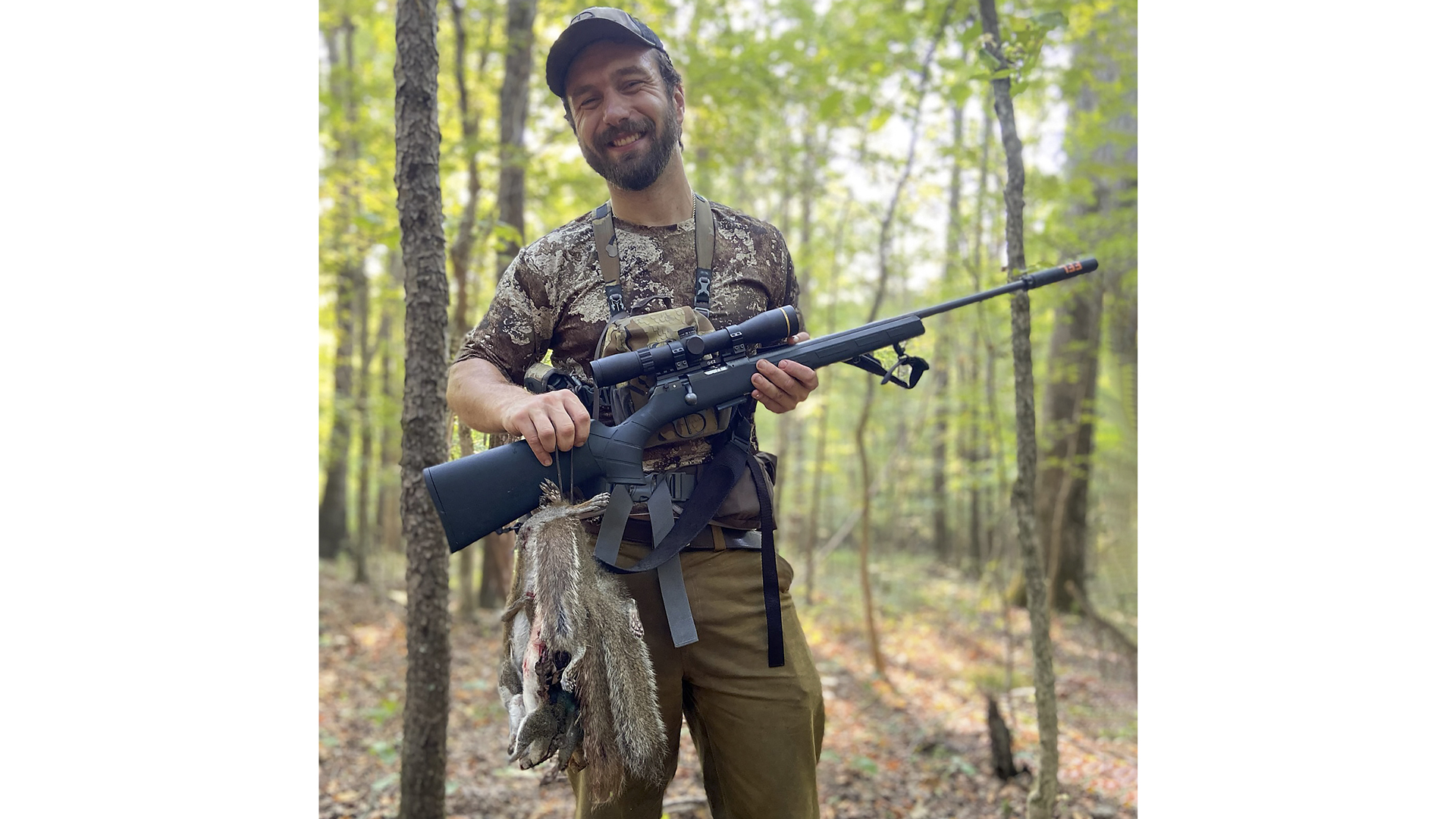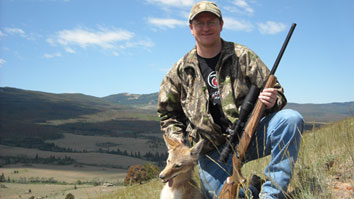
The Summary: Reno, Nev. KOLO reporter Christina Pascucci explored the coyote depredation/control issue. She reported on her discovery that although anti-hunting organizations want state game departments to regulate the hunting of coyotes, state game departments themselves kill nearly 400,000 coyotes each year. In the end, the reader gets the sense that Pascucci is somewhat confused by the issue, and judging by the story’s title, is looking for someone to blame for this perceived problem.
Jeff’s Take: While I appreciate a non-biased story, I am amused by Pascussi’s naivety. Like most human/animal conflicts there is nothing worthwhile to blame unless one wishes to blame nature itself. And that doesn’t do any good.
We could blame the coyote for trying to eat. If that doesn’t seem just, neither will blaming ranchers for trying to do the same. We could blame the state departments for not controlling hunters, or the mange for not managing coyotes “naturally.” We could blame anti-hunting groups, who refuse to believe that population control via hunting is in fact the only financially viable method, or we could blame sheep and calves for being such easy prey. We could blame our consciences or humankind altogether like so many of the greenies. But blame doesn’t solve any problems, and frankly the “problem” is not too concerning for hunters, furry or human. Coyotes will be coyotes, lambs will be lambs, hunters will hunt and life will go on. It’s been established that humans cannot eradicate coyotes without also eradicating themselves.
So instead of pointing fingers, why not say thank you, dear coyotes, for keeping rabbit populations at bay, and thank you, hunters and game departments for keeping coyote populations in check—and therefore game animal populations sustainable. And to the anti-hunters who feel guilty for being atop of a food chain they wished didn’t exist—thanks for nothing.
The AntiQuote: “The Department of Wildlife will say they have no control over [the sport hunting of coyotes]. I think citizens like myself would feel a lot better if there was some sort of control. I guess they're the logical place to start,” says [Trish] Swain.
Recommended Gear:
T/C Icon Precision Hunter;
Nikon Coyote Special scope;
Predator Quest Ruffidawg call;
Mossy Oak Brush camo.