With turkey season approaching, turkey-specific shotguns are hot on the market. In most cases, “turkey specific” implies the gun has a camo finish, full or extra-full choke and a short barrel.
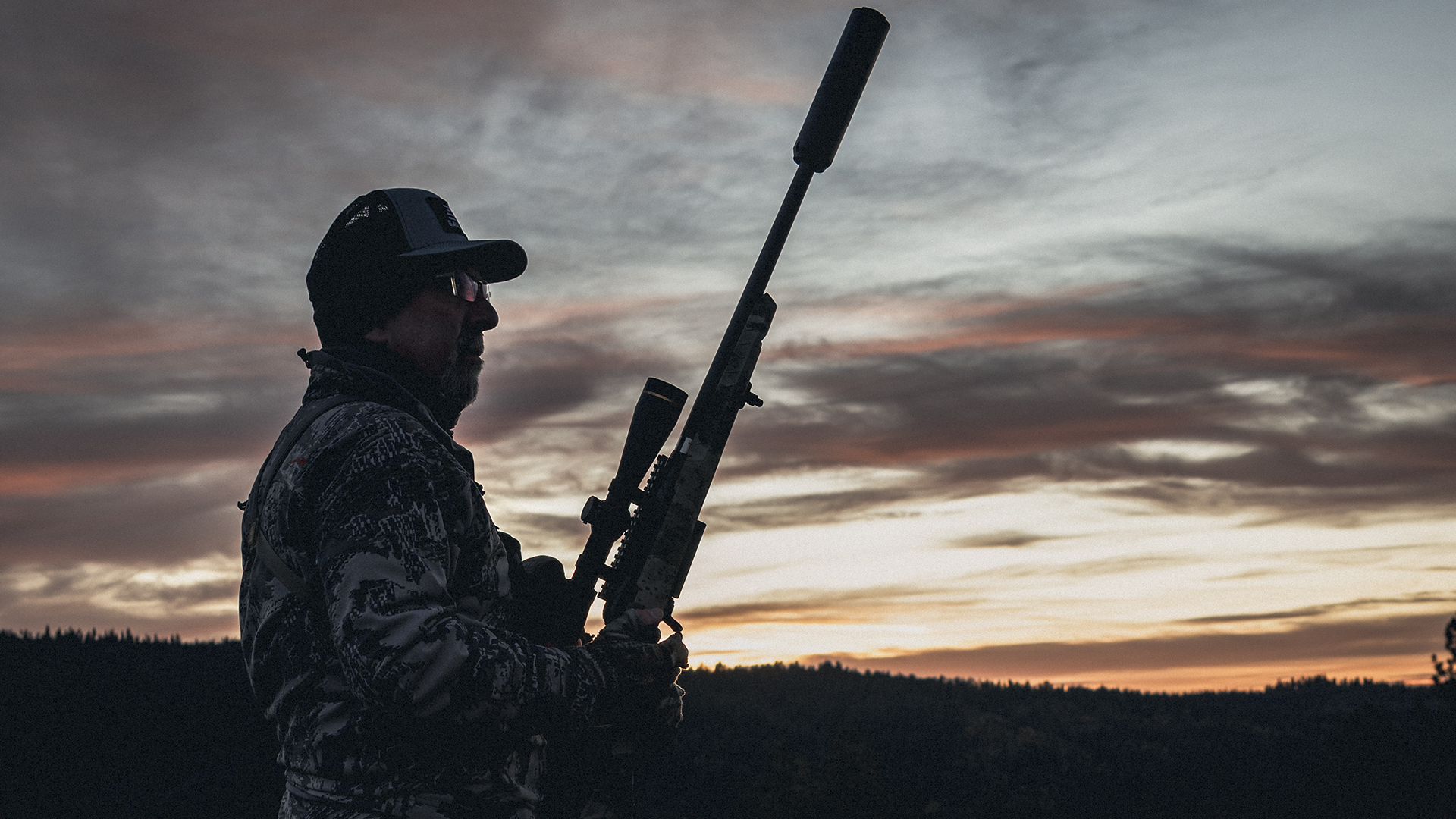
Without question the short barrel improves the shotgun’s mobility in the woods, but is it a detriment to the load’s velocity, and therefore energy?
The Question
Does a short barrel reduce a shotgun’s turkey-killin’ power?
The Research
Experts at Remington Arms report the following: Unlike rifle cartridges that utilize slow-burning powders, shotgun shell's powders completely burn in the first 13 to 16 inches of a barrel. Therefore, shotshell loads reach their maximum velocity at around 20 inches of barrel length.
However, firearm expert and NRA publications’ frequent contributor Bryce Towsley is not so fast to completely agree with that assessment. He believes velocity relative to barrel length varies among shells that use various types of powers, amounts of powder and even shell length. He believes that longer barrels will result in slightly higher velocities in 3- and 3.5-inch magnum loads. But he is talking from a purely mathematical perspective, not from a practical standpoint.
The Real World Test
Last year I shot a turkey at 51 paces with a Federal Premium 3-inch No. 6 shell fired out of a UTS-15 shotgun that has an 18.5-inch barrel. The big gobbler succumbed instantly to a head shot. If there was a slight decrease in velocity, the gobbler didn’t notice it.
The Answer
While a shotshell fired from a barrel of more than 16 but less than 20 inches will exhibit a slight reduction in velocity and energy, it will retain enough energy to kill a turkey at 50 yards or less. (Ranges longer than that get dicey for any shotgun.) Less than 16 inches and it will have less turkey killin’ power, but it’s illegal as well. (Shotgun barrels must be at least 18-inches.) So, for all practical purposes, don’t worry about barrel length when considering a new shotgun for turkey hunting. Simply call a bird in as close as possible, put a bead on its beak and pull the trigger.