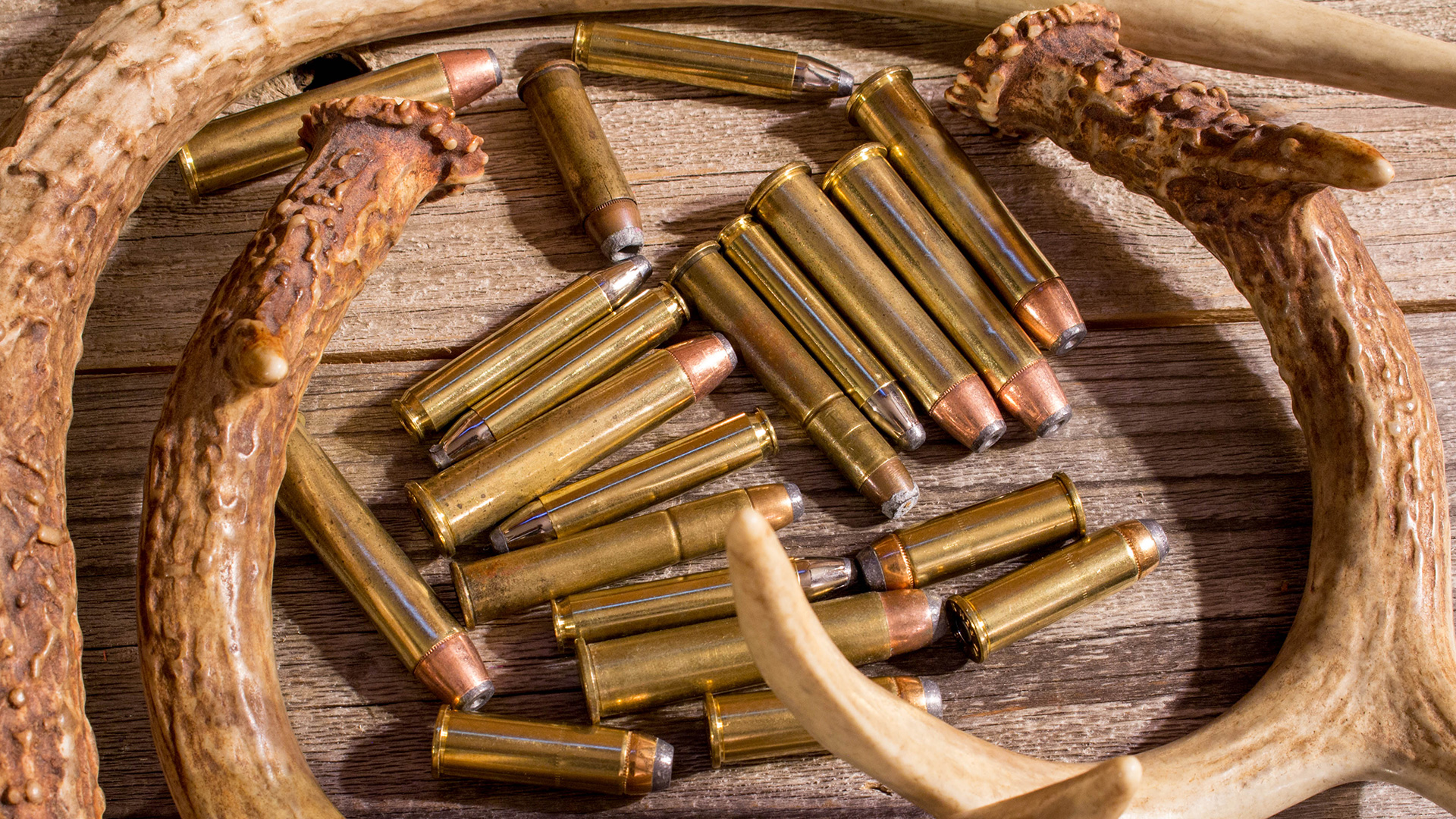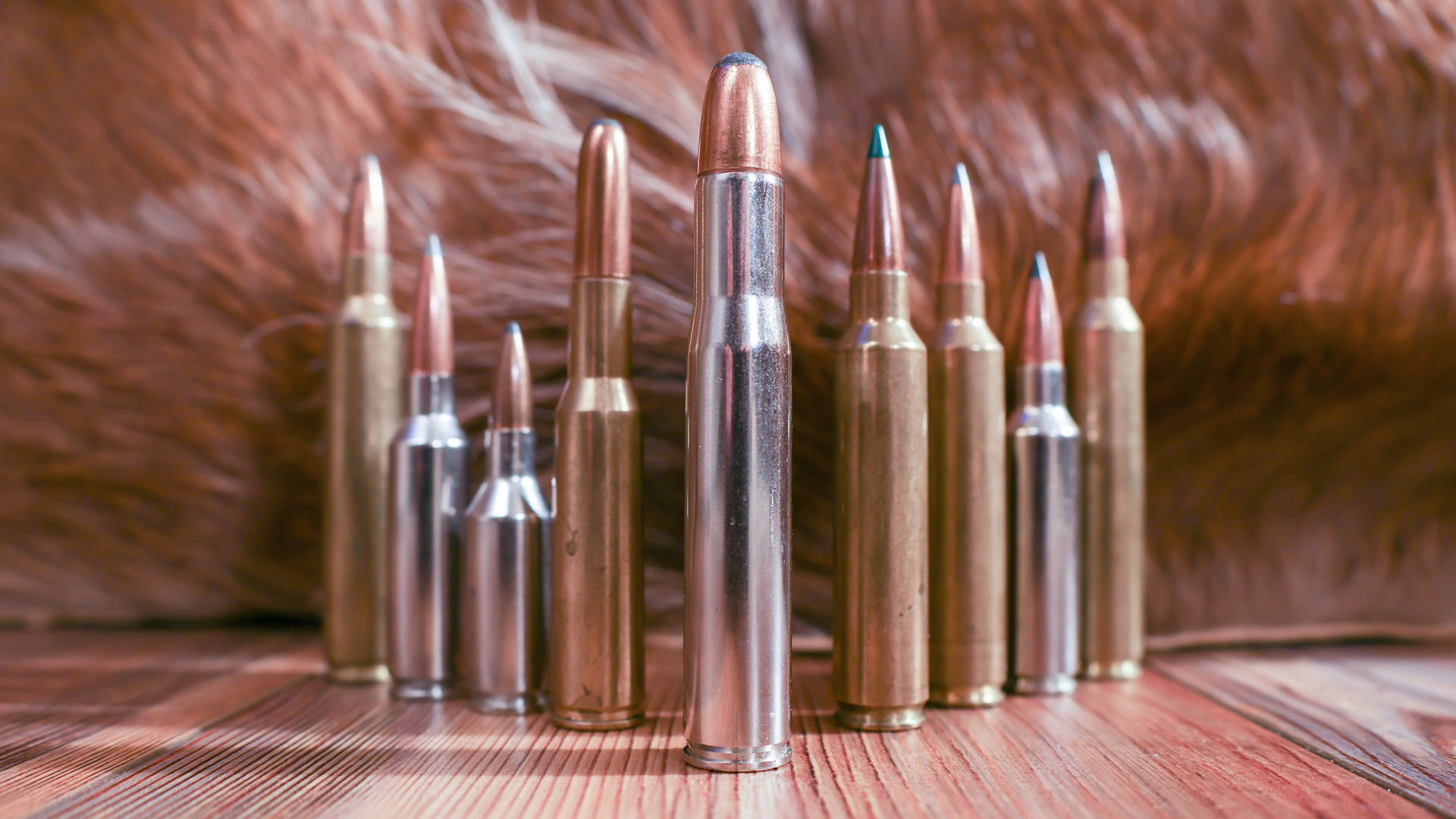
I recently had the opportunity to test Browning’s new BXR bullet in the company’s new ammunition line on a whitetail hunt in Oklahoma, and I can say quite confidently that it will put meat in your freezer. First, a little bit about the line and the bullet.
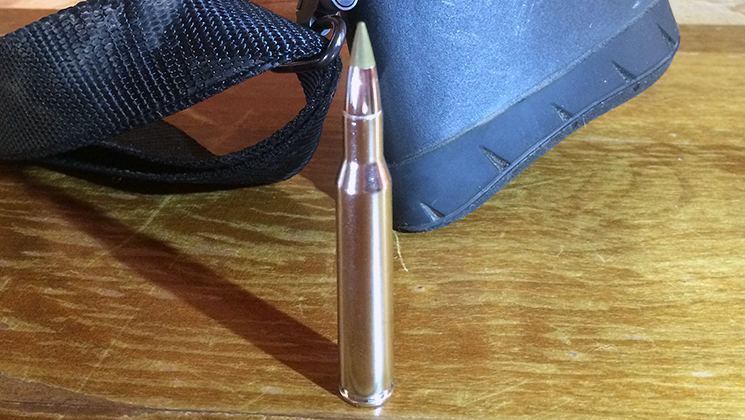
 Browning ammo is made by Winchester Ammunition, expanding the partnership between the two companies that spans many decades (FN Herstal, the parent of Browning, makes Winchester firearms under license from Winchester Ammunition). The BXR bullet uses similar technology to Winchester’s Deer Season line. A large, copper-matrix tip provides rapid expansion upon impact, while behaving like a polymer tip in flight to ensure velocity retention and accuracy.
Those are the marketing points, but how did the bullet perform in real life? As mentioned, well. Using the BXR ammo in .270 Win. out of a Browning AB3 Composite Stalker rifle, I shot a buck and three does, and only had to track one doe for a mere 40 yards—the others all dropped where they were hit. I did not recover a bullet from any of the does as they all passed through, but the internal damage caused by the rapid expansion was a sight to behold.
The first doe was shot at 110 yards and dropped in its tracks. When skinned, we found the bullet smashed through both shoulders and obliterated one lung and most of the heart. The buck fell next at 88 yards, and I was able to recover bullet fragments from the far shoulder. The projectile went through three ribs on the near side, liquefied the lungs and then demolished the far shoulder, where it broke into three large pieces that remained in the deer. A fragment also penetrated the heart. The second doe was shot about 30 minutes later at 227 yards and dropped where it stood (although in the process of dropping, it fell down a 20-foot ledge into a small canyon). Again, the bullet passed through after causing massive internal damage. The last doe was shot at 115 yards and ran about 40 yards before falling. It left a blood trail a blind man could follow and was recovered easily. When we recovered this one, I was amazed that it ran at all—the bullet went right through both lungs and the heart, rendering them unrecognizable when we skinned and gutted this doe.
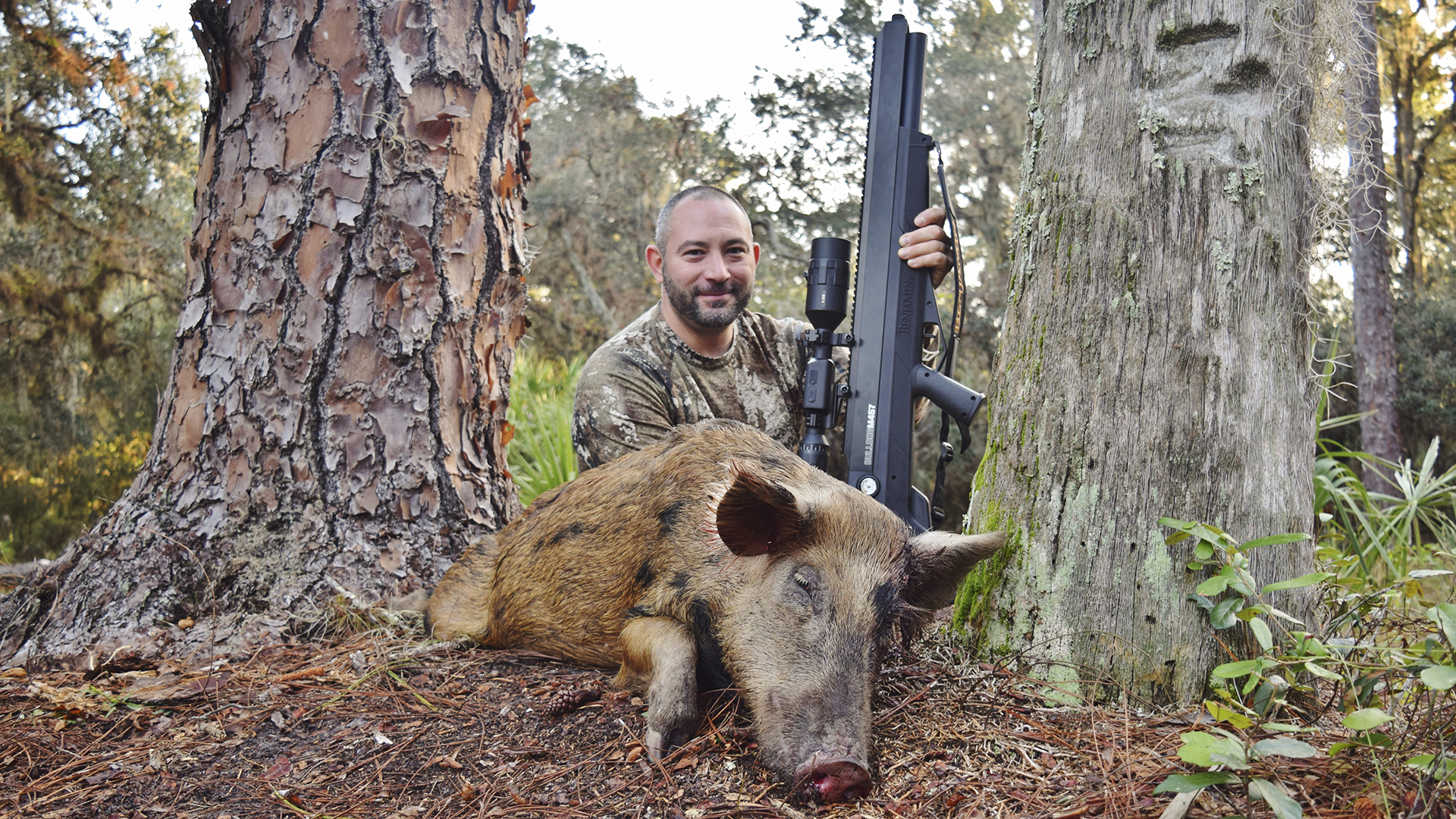
So, what does all this mean? It means the BXR bullet dumps a tremendous amount of energy inside the target, ensuring rapid death and easy recovery. I would advise using it on deer-sized game or smaller, since it is, by design, not a particularly tough bullet. That said, one of the other hunters in camp took a decent-size feral hog with the BXR and it ran a mere 80 yards before succumbing. Still, it is designed to cause massive internal damage rather than penetrate through tough barriers, so this bullet is not ideal for elk, moose or anything much larger than a mule deer.
Given the results I obtained, I’d say Browning’s initial entry into the deer-load market is, without question, a winner.