In less than five days every hardcore Maryland archer will be in his stand when the sun breaks the skyline. We've all been planting, plowing, scouting and practicing for bowhunting's first blush.
But before you get too hyped up—no matter what state you reside in—stop and do a little analyzation. Whether you're hunting an old spot or a brand new stand, it's important to continue thinking about the key factors to early success.
Where are the deer bedding?
A bedding area is usually going to be in one of two places—a thicket or a high elevation. In my case, we've seen droppings and old beds in an acre-wide pine thicket that borders a nearby soybean field. It just so happens we've spied some absolute monsters in said plot.
What are they eating?
Agricultural fields are akin to the all-you-can-eat buffet in September and early October. Crops like soybeans, corn, grain or milo are abundant and available for deer in most of the well-known whitetail states. When you have such a plot on your property, scout it heavily, and find main entrance points.
If you aren't lucky enough to have these farmed areas, be sure to find the trees holding acorns. When they drop, deer come running.
How do they get from their beds to their feeding areas?
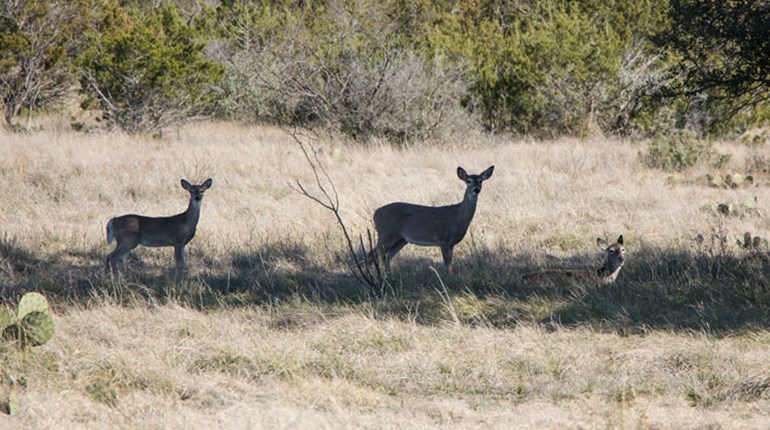
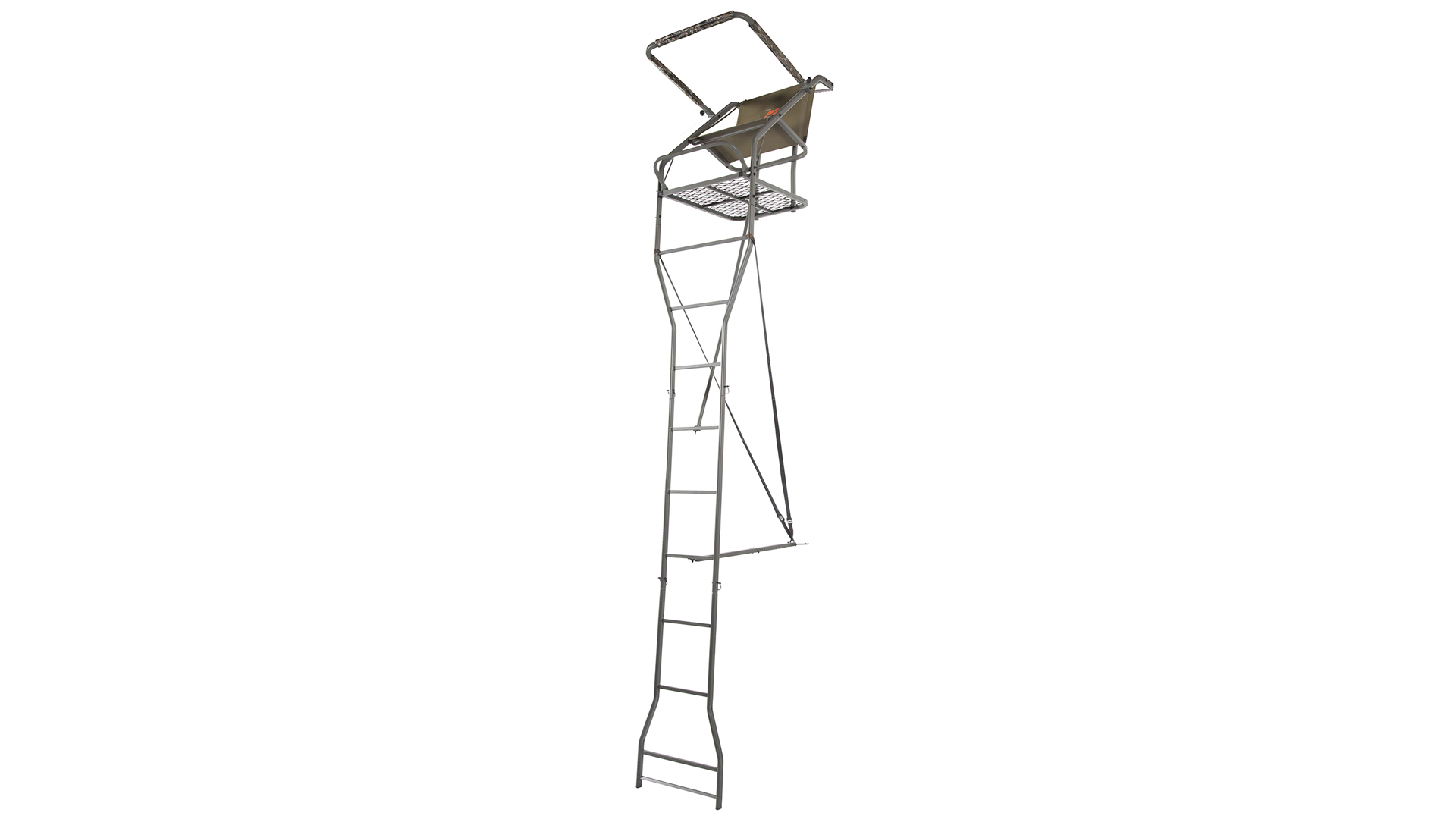
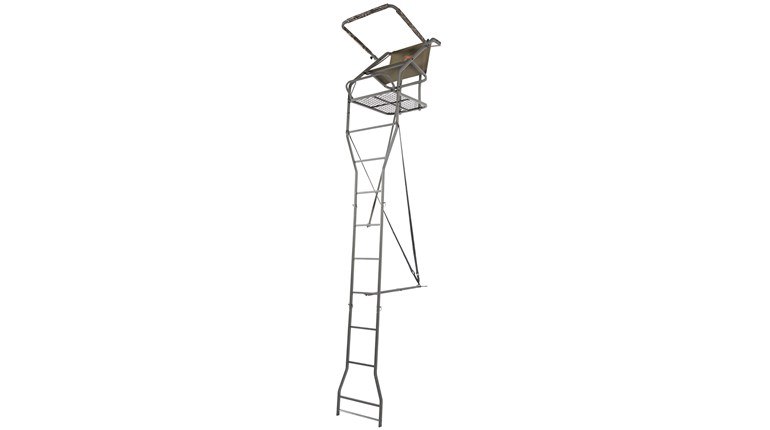
This is where stand placement comes into play. Use binoculars to scout from a distance, and try to catch deer moving in and out of fields. Plan your ambush spot based on where the big boys are entering and leaving the buffet. It's also important to find a path into your stand that will have absolutely no chance of disturbing the deer in their bedding areas.
Are bucks still in bachelor groups, or have they split up?
As you'll see from trail cam shots, bucks spend much of the summer in bachelor groups. But in mid-September to very early October bucks begin to shed their velvet and break up from these groups. When this happens they change to their fall ranges and begin to mark new territory. Be very aware of this process, as the bucks you've been seeing on your cams all summer may have moved on to the next field.
Can I make the shot when it is presented?
Practice in the backyard. Practice from your treestand. Practice with every piece of hunting clothing you'll have on during Opening Day. Practice, practice, practice.