Learning from Biathletes

by
posted on February 18, 2014
** When you buy products through the links on our site, we may earn a commission that supports NRA's mission to protect, preserve and defend the Second Amendment. **
zent2015_fs.jpg

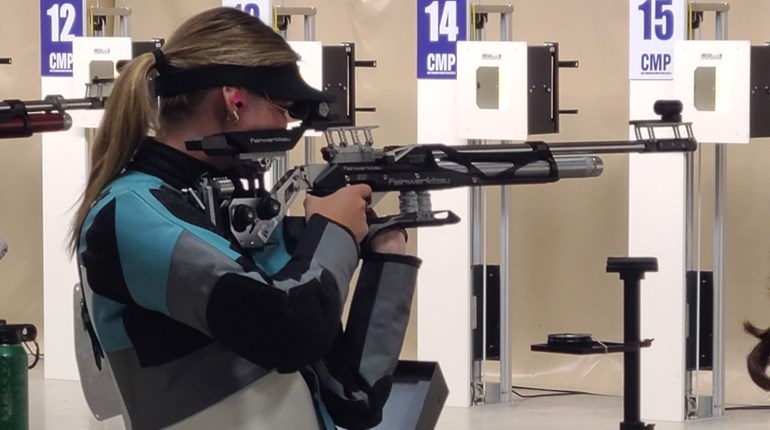
Beyond marveling at their incredible toughness and athleticism, I have been intrigued by gun-handling skills demonstrated by many of the Olympic biathletes in Sochi. The way they transition their rifles from carry mode to shooting position is fluid and fast. The technique most often employed is to reach back with the strong hand, grab the barrel behind the rear sight, then pivot the butt around the shoulder while simultaneously pulling the muzzle forward toward the target banks. At that point they grip the fore-end with the weak hand, slide the strong hand to the pistol grip and shoulder the rifle, ready to shoot. Clearly it is a well-practiced sequence and the stiff double-shoulder harnesses used to carry the rifles while skiing facilitate the fast transition. When done right, the method eliminates unnecessary movement and delay, and prepares the biathletes to shoot in just a couple of seconds.

Based on indignant letters we receive whenever we show African PHs carrying their rifles muzzle forward, this technique probably sparks safety concerns in some viewers. The camera angles don’t make it perfectly clear exactly what’s downrange, but I am guessing muzzle control is tightly monitored, and in watching the broadcasts I have not observed incidents where a muzzle drifts back to the firing line.

As hunters, we don’t often need to deploy our rifles so swiftly from on-the-back carry, but such a scenario is not unthinkable for those pursuing high-country game. In some competitive disciplines or in real-life tactical shooting, however, this biathlon technique could definitely help rifleman succeed or even survive.

Latest

Herman Shooting SA 35 4 Inch

#SundayGunday: Springfield Armory SA-35 4"

Springfield's SA-35 4” maintains the “wood and steel” vibes of yesteryear, with a blued finish on the gun’s carbon steel, and checkered walnut grips. Curious about this updated version of a true classic? Check out this exclusive edition of #SundayGunday.

Will Grizzly Bear Management be Returned to the States?

When the grizzly bear in the Lower 48 was given Endangered Species Act (ESA) protection as a threatened species in 1975, it was supposed to be a temporary protection that would be lifted once populations met or exceeded specific goals. Now more than a half century later and with grizzly populations that have spread and met or far surpassed the goals set in 1975.

New for 2026: Leupold LCO Pro F2 Red-Dot

Leupold & Stevens, Inc. has launched its LCO Pro F2 red-dot sight, combining optical clarity, reliability and purpose-built features in a full-sized red dot.

Member's Best 2026

I am heartened by this year’s entries. In addition to fabulous photographs, almost all of you delivered exceptional narratives of your hunts. We used your very words wherever possible because it’s an honor to see you all rise to such an occasion as sharing a special moment with your fellow hunters. You now know a little bit about what drives an outdoor writer. —J. Scott Olmsted, Editor in Chief

New for 2026: Vortex Crossfire II

Available with either a red or green dot, the Vortex Crossfire II Red Dot lineup brings added function to the Crossfire series.

USFWS Proposes New Grizzly Bear Management Rule

On July 17 the U.S. Fish and Wildlife Service (USFWS) published a proposed rulemaking change on the Federal Register that, if approved, would allow western states to better manage their grizzly bear population. Despite their burgeoning population the big bruins remain on the “endangered” list under the Endangered Species Act (ESA), a fact that has paralyzed regional conservation efforts, impacted other wildlife populations and dramatically increased human/bear conflicts.

Interests


Get the best of American Hunter delivered to your inbox.