Mystery Illness Killing Dogs in Ohio

by
posted on September 26, 2013
** When you buy products through the links on our site, we may earn a commission that supports NRA's mission to protect, preserve and defend the Second Amendment. **
dogs_ah2015_fs.jpg (32)

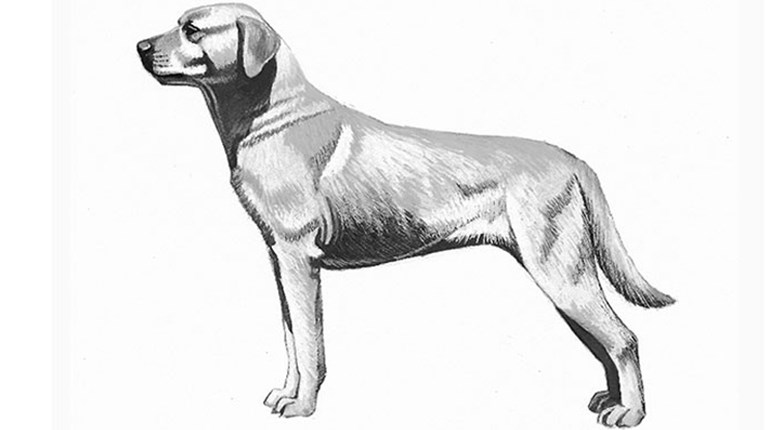
Four dogs died last month and others have fallen ill after the emergence of a mystery virus in Ohio. Of the four that perished, three were staying at the same kennel in Cincinnati, while a fourth was in the Akron-Canton area.

The disease is likely canine circovirus, a recently isolated virus identified by the University of California-Davis Veterinary Medical Teaching Hospital when sick dogs showed up there last year. The virus is common in birds, but the only mammals known to transmit it—until now—were pigs.

Samples from the Ohio dogs have been sent to UC-Davis to confirm the presence of circovirus. However, even if that proves the case, an element of the unknown remains. Namely we don't know where circovirus comes from or even how it's spread.

And that's what has dog owners concerned. I've seen plenty of rumblings on social media and directly from friends regarding the Ohio dog deaths. Most ask a similar question: With autumn upon us, is it safe to hunt, compete in sporting dog events or even travel through the state of Ohio right now?

Given our love for and investment in our dogs, the sentiment is understandable. But let's keep the events in Ohio in perspective.

"We’re not in a place where we need to panic right now," Dr. Laurie Millward, chief veterinarian for the Capital Area Humane Society, told the Columbus Dispatch. "I think it’s way too early to be changing our habits."

Indeed, the affected dogs represent but a fraction of those in Ohio. And, according to Ohio's Department of Agriculture, the prognosis for dogs whose symptoms are caught early enough appears to be pretty good.

Key symptoms to watch for include excessive vomiting, bloody diarrhea, weight loss and lethargy. Even if you don't suspect circovirus, a dog exhibiting any of these ailments should always visit a veterinarian as soon as possible.

Latest

Nomad 30 Lede 2
Nomad 30 Lede 2

#SundayGunday: Dead Air Nomad 30

This week on #SundayGunday, we’re checking out the Dead Air Nomad 30, the 30-caliber hunting stalwart of Dead Air’s suppressor lineup. The stainless-steel can tips the scales at less than a pound, despite being rated for calibers up to .300 Norma Magnum, and 4400 ft.-lbs. of energy. For more on the Nomad 30, check out this exclusive video.

Eye on the Future of Hunting and Conservation

The dedication to passing on the enthusiasm and understanding of hunting’s role shows in the number of courses, seminars and special hunts already on the calendar with various state game and fish departments, and conservation organizations. Here are a few that crossed my desk just last week, but there are dozens of others—likely a few near you.

Funding Boost for Migration Corridors

On Feb. 11 Secretary of the Interior Doug Burgrum announced nearly $8 million would be added to the Western Big Game Seasonal Habitat and Migration Corridors grant program’s base funding of $2 million this year.

Winter: Prime Time for Small Game Hunting

Chasing rabbits and squirrels with friends is the perfect way to pass the cold winter days.

Kovix Suppressors Moves Headquarters to Montana

Kovix, a titanium suppressor manufacturer, has announced the company had relocated headquarters to Kalispell, Mont.

Proposed Oregon Petition Would Ban All Hunting

A petition to ban all hunting in Oregon is getting close to making this year’s ballot. Proponents of the PEACE Act (an acronym for “People for the Elimination of Animal Cruelty Exemptions Act”) are reporting they have amassed about 100,000 of the 117,173 signatures needed for the petition to make the November ballot.

Interests


Get the best of American Hunter delivered to your inbox.