Optical Coatings

by
posted on March 18, 2014
** When you buy products through the links on our site, we may earn a commission that supports NRA's mission to protect, preserve and defend the Second Amendment. **
qa_ah2015_fs.jpg (10)

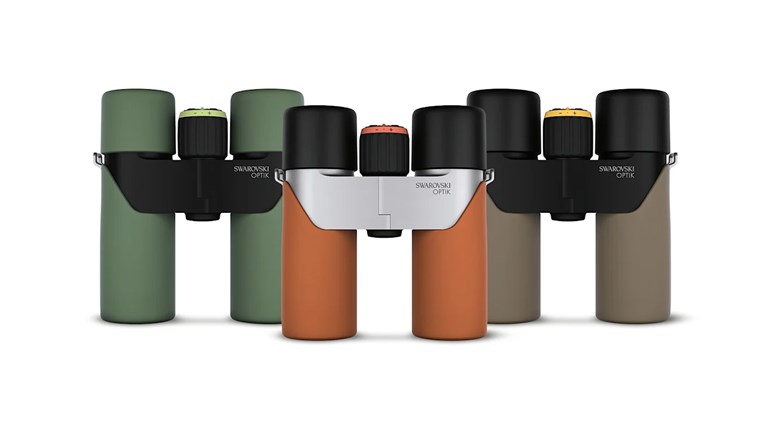
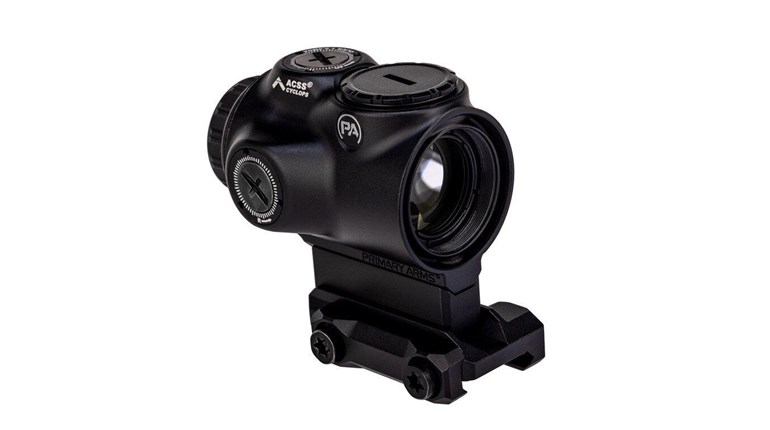
Q: What is the difference in binocular and scope lens coatings, and how can you tell if the glass is coated?

A: One way to check a riflescope, spotting scope or binocular for coated lenses is to hold it under a common ceiling light, objective lens up, and look at the reflections of the light bouncing off the various lens surfaces inside. Each reflection (usually three to seven) represents one air-to-glass surface. If this lens surface has been coated, its reflection should be colored, usually purple, green or yellow, depending on the proprietary coating recipe the manufacturer used. White reflections indicate an uncoated lens or, in a binocular, the prism.

Unfortunately, colored reflections don't tell you how many layers have been applied or how effective they are. Determine effectiveness by comparing scopes side-by-side in low light. The best test is to look at some type of lettering or a series of black-and-white bars set in shadows with the sun setting behind.

Latest

LEDE
LEDE

Trust Your Gut: Deer Hunting Tips from the Stand

Field Editor Bryce Towsley gets a little help in “his” Mississippi stand.

Remembering Former NRA President Robert Corbin

Robert Corbin, a former NRA president and Arizona attorney general, died of natural causes on Sept. 9, 2025, at 97 years old.

Hardware Review: Stealth Vision Tactical SVT 3-18x44mm

Jeff Johnston dives into the Stealth Vision Tactical SVT 3-18x44mm. Check out his thorough review below.

Top 10 New Hunting Rifles for 2025

As the year draws to its inevitable close, we asked Philip Massaro to select his top 10 favorite rifles that debuted in 2025. Without any further adieu, let’s dive into the list.

The 4 Classic Hunting Platforms

Andi Bogard takes a look at the classic actions and platforms that laid the foundation for today’s hunting rifles.

Conservation Partners Launch Novel Turkey Nesting Research

Predator populations—nest raiders and full-feathered turkey killers alike—are growing across the United States. To determine if their increasing numbers are a leading cause of wild turkey population declines, Turkeys For Tomorrow (TFT) has announced a groundbreaking study on predator impacts on nesting and poult-rearing success.

Interests


Get the best of American Hunter delivered to your inbox.