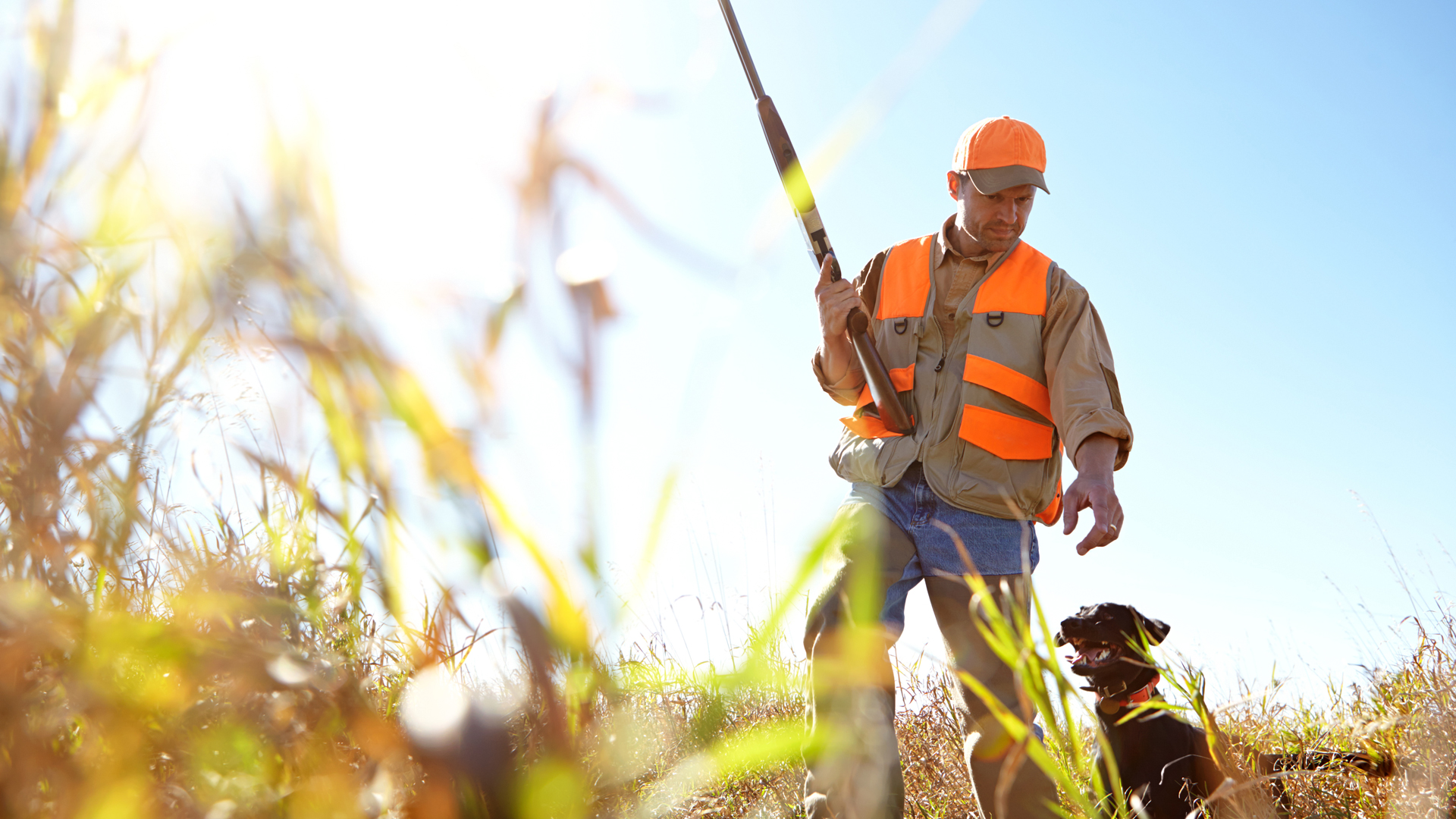
For millions of American hunters, public land is a long drive from home, as most land near urban areas is privately owned or closed to hunting. To offset this, state game managers have come up with an array of walk-in access programs for private lands. These state-led initiatives partner with willing landowners to open thousands—sometimes millions—of acres of land to the public at little or no extra cost.
These programs can benefit family farms, help game managers balance wildlife populations and can uphold America’s hunting heritage against the creeping tide of “no trespassing” signs.
Still, a lot of hunters fail to take advantage of these programs—partly because they simply don’t know about them.
To show the way to good hunting, here are some of the best programs that deliver quality walk-in access.
South Dakota’s Walk-In Area Program—The Gold Standard for Upland Hunters
South Dakota’s Walk-In Access Program has enrolled more than 1.25-million acres with 1,400 landowners. These mostly allow foot-traffic-only access—much of it on CRP grass, wetlands and crop edges—but they deliver world-class pheasant, sharptail grouse and prairie chicken hunting. Landowners receive modest payments plus liability protection, while hunters enjoy free entry during posted seasons.
The program has maintained South Dakota’s rich hunting culture since the late 1980s, and it continues expanding through partnerships like Pheasants Forever’s Public Access to Habitat (P.A.T.H.) initiative, which has already added nearly 70,000 acres in the state. Hunters simply check the annual atlas or GFP app, park at designated areas and walk in. Success rates stay high because the program incentivizes habitat work that boosts bird numbers. This is conservation in action: hunter-funded access keeps pheasant country thriving and rural communities strong.
Kansas WIHA—Over a Million Acres of Opportunity
Kansas pioneered modern walk-in programs with its Walk-In Hunting Access (WIHA) initiative. Today it leases nearly 1.1-million acres of private land, which has nearly tripled its public hunting opportunity in a state that is 97-percent privately owned. WIHA tracts shine for upland birds—pheasants, quail and prairie chickens—but also offer deer, waterfowl and squirrel hunting, depending on the parcel.
No special permit is required; your Kansas hunting license gets you in. Landowners earn per-acre payments scaled by habitat quality and contract length, encouraging long-term enrollment. The Kansas Department of Wildlife & Parks publishes a detailed Fall & Spring Hunting Atlas with interactive maps and Garmin files, plus an iWIHA check-in system for real-time tracking. WIHA proves hunters pay their way: license revenue and federal aid keep the program robust while delivering low-pressure hunts that recruit new generations to the sport.
North Dakota PLOTS—880,000 Acres and Growing
North Dakota’s Private Land Open To Sportsmen (PLOTS) program delivered roughly 880,000 acres for the 2025 fall season—up 40,000 acres from the prior year. Focused on CRP, grasslands and wetlands, PLOTS excels for pheasants, sharp-tailed grouse, ducks and deer. The state’s Game and Fish Department produces an annual PLOTS Guide with maps, species info and access rules (foot traffic only, no driving off designated paths).
Landowners gain income and habitat incentives; hunters gain walk-in freedom. PLOTS pairs beautifully with federal programs like CRP, turning marginal cropland into wildlife havens funded by hunter dollars. In a state where public land is limited, PLOTS keeps North Dakota a top destination for DIY bird hunters.
Nebraska Open Fields and Waters (OFW)—435,000 Acres of Private Access
Nebraska’s Public Access Atlas showcases over 1.2-million acres in total, with roughly 435,000 acres of private land enrolled in the voluntary Open Fields and Waters (OFW) program. Landowners receive per-acre payments (up to $25 for high-quality CRP) in exchange for walk-in hunting, trapping and fishing access. The Nebraska Community Access Partnership (NCAP), a Pheasants Forever-led effort backed by onX and state partners, has supercharged enrollment with extra incentives, adding tens of thousands of acres in key western counties. Pheasant, quail and deer-hunting dominate, but waterfowl and turkey opportunities abound. The Atlas—available in print, digital flipbook and interactive map—makes planning easy. Nebraska’s model shows how hunter-conservation partnerships sustain family farms while opening land that would otherwise be posted. It’s a blueprint for keeping hunting accessible and wildlife abundant.
Montana Block Management Areas (BMA) and Colorado Walk-In Access (WIA)—Strong Contenders for Big Game and Variety
Montana’s Block Management Program provides free public access to millions of acres of enrolled private land (Region 1 alone exceeds 640,000 acres; statewide totals approach several million when including partnered public parcels). BMAs offer everything from elk and mule deer to upland birds and waterfowl. Some require simple permission or drawings for popular units, but the majority function as effective walk-in areas. Landowners manage pressure while receiving compensation, striking a balance that benefits both parties.
Colorado’s Walk-in Access Program covers about 166,000 acres, with big-game access recently expanded to roughly 101,000 acres on the eastern plains for deer, elk and pronghorn. This is a foot-access-only program with seasonal openings. A detailed atlas makes it hunter-friendly.
Both Montana and Colorado prove walk-in programs aren’t just for birds—they deliver quality big-game opportunity without the cost of leases.
These programs are funded primarily by hunters through licenses and equipment taxes. They reduce overcrowding on public land, ease pressure on landowners and inject cash into rural economies via motels, gas stations and cafés.
Most Popular