Rabbit Hemorrhagic Disease Spreads East

by
posted on September 16, 2022
** When you buy products through the links on our site, we may earn a commission that supports NRA's mission to protect, preserve and defend the Second Amendment. **
Rabbit

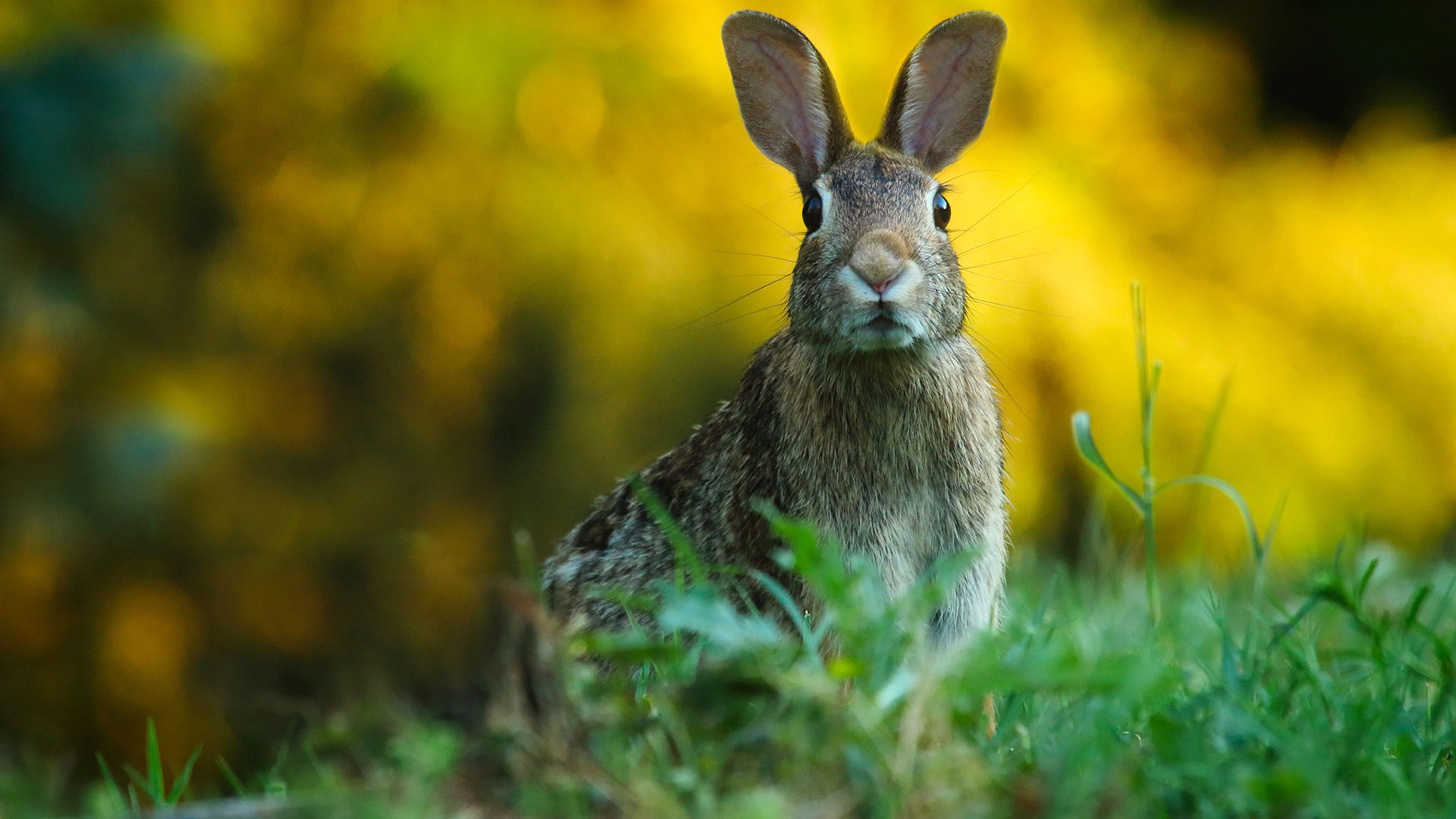
Rabbit hunters on the eastern seaboard be warned—Rabbit Hemorrhagic Disease Virus Type 2 (RHDVT2) appears to be spreading in a select few states and Canada. Rabbits have been reported as dropping dead from the sickness in Quebec, Connecticut, New York and South Carolina. While this is reason for pause, there is as of yet no reason for panic. In Connecticut where the disease was discovered, 14 rabbits died in a herd, with the initial 13 succumbing during the first 24 hours. A similar story came out of Greenville County, South Carolina where most of a feral herd died, with the surviving members being held in quarantine. That said, concerns are mounting.

RHDVT2 is an extremely fatal disease for bunnies, with only about a 30-percent chance of survival. Symptoms include anorexia, lethargy, conjunctivitis, respiratory signs, and bloodstained noses or mouths. Luckily, humans cannot contract the disease, but they can transmit it through contact with infected rabbits, water or (in a domestic setting) feed. The disease was first detected out West in 2018, and quickly has become an epidemic in the Western states.

“The introduction of RHDV2 to wild rabbits in South Carolina poses a serious threat to wild populations and has contributed to significant mortality events in the western United States. It is important that we do what we can to prevent contact between infected feral rabbits and wild rabbits,” said Will Dillman, assistant chief of wildlife for the South Carolina Department of Natural Resources.

For more information on the disease and how to contain its spread, check out the fact sheet at aphis.usda.gov/.

Latest

CH993, A Flexible Plan Helps In Coyote Success, Copyright Mark Kayser

Coyote Tactics: Stay Flexible

The successful hunters I know do not get hung up on one tactic. They constantly float between strategies in an ever-changing hunting environment. Quite simply, they’re flexible. I take that improvising nature to heart even for coyotes, particularly when they shun my calls for whatever reason. When that occurs, I continue the hunt, but modify my strategy to fit the scenario.  

Remington Announces 3 New Subsonic Rifle Loads

Remington Ammunition is launching three new rifle cartridges loaded to subsonic muzzle velocities in 2026. The new Boat-tail Hollow Point (BHP) loads include a 250-grain 360 Buckhammer, 190-grain .308 Winchester and 300-grain 45-70 Government.

Report Identifies 80,000 Acres for Sitka Black-Tailed Deer Habitat Restoration

The Blacktail Deer Foundation (BDF) has released a new report titled A Restoration Mapping Framework: To Improve Sitka Black-tailed Deer Habitat in Southeast Alaska.

Tale of the Twist: How Does Twist Rate Affect a Shot?

Ever wonder exactly how twist rate affects projectiles and bullet selection? Dive into this important component of ballistics with Phil Massaro.

New for 2026: CCI High Bar Air Gun Slugs

CCI Ammunition has introduced High Bar Air Gun Slugs, which are designed to deliver accuracy and terminal performance, especially through modern PCP air rifles and pistols.

Try a Hunting Preserve

With most hunting seasons over, some of us like to find another avenue in which to go afield. What about trying a bird hunting preserve?

Interests


Get the best of American Hunter delivered to your inbox.