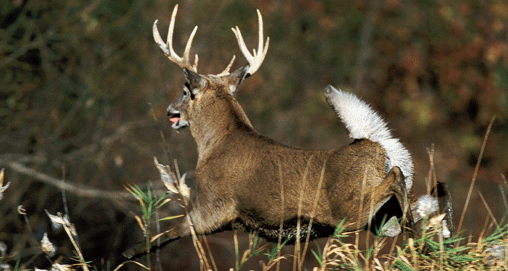
Deer behavior: Peak breeding is still going strong in most areas, but beginning to fade in other places. Depending on whether your rut is a few days early or late, you might see bucks wandering alone or chasing does; many will be locked down with gals. This is the week when every gun hunter and his brother hits the woods; the pressure moves rutting deer deeper into cover, and they move a lot at night.
Key sign: Primary doe trails, buck tracks, scrapes with fresh pawings
Moon: New on the 16th (in the pitch-dark woods, deer communicate more by smell than sight; expect bucks to move best the first and last hours of the day when they can both smell and see does)
Science fact: A University of Georgia study found that around Nov. 19, some bucks go back to checking old scrapes, and even re-working some of them, as they hunt for fewer and fewer receptive does.
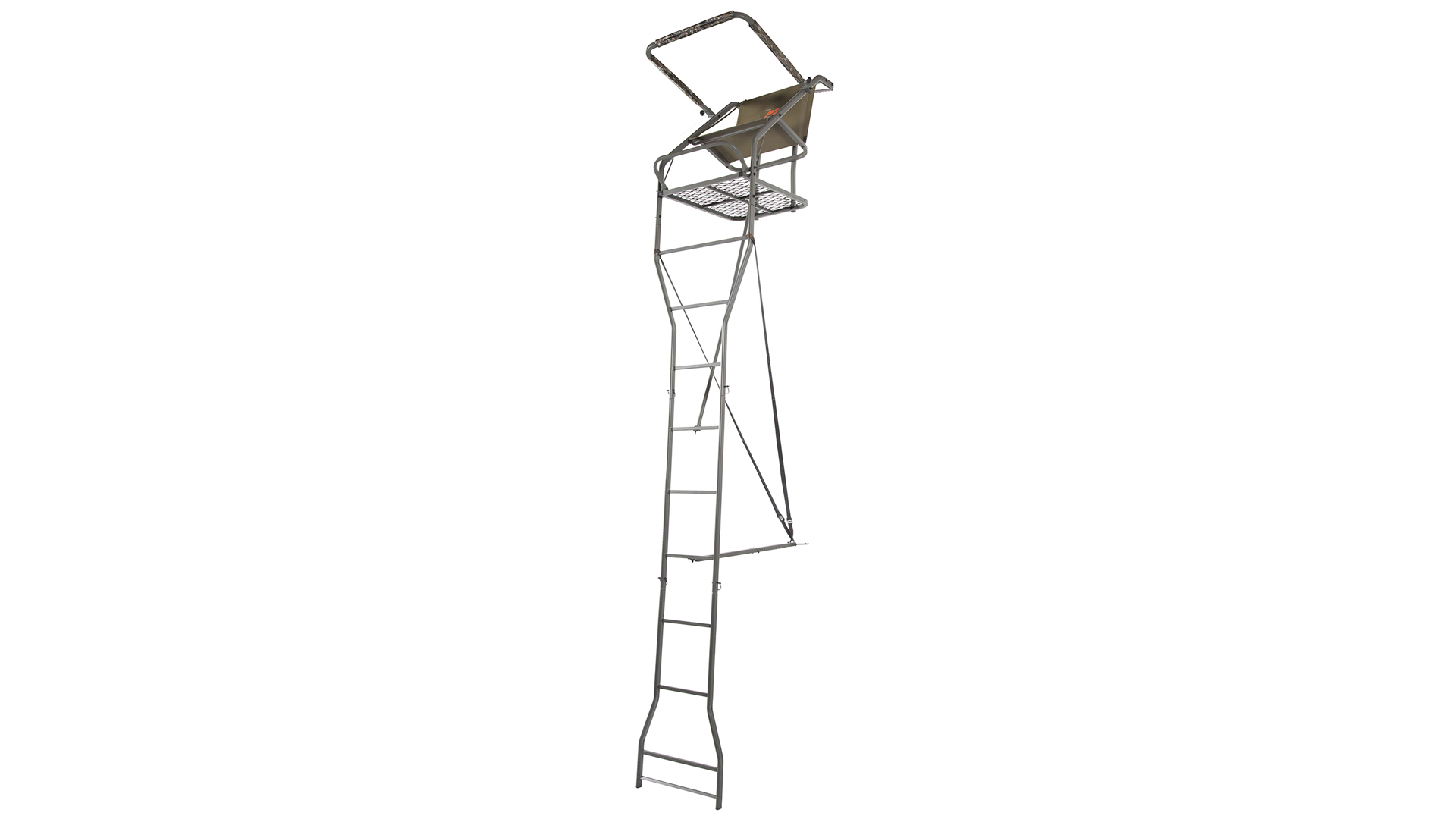
Top stands: This is the week to get smack in the middle of the action. Try to hang a treestand where two or three ridges and adjacent thick-cover draws converge and peter out in a creek or river bottom. All the terrains create a dumping ground for does and the bucks after them. You might spot a gal coming down a ridge with a giant 8-pointer lapping her heels. A shooter might pop over a ridge, shortcutting from one draw to the next. Glass thickets for a bedded doe with a big-racked deer standing nearby, ogling her. You never know what you’ll see, but it might be something big and good.
You also need at least one post to play off the hunting pressure. Here’s a good example. One year Kentucky big-buck expert David Hale leased 1,000 acres that bordered some public-hunting land. He didn’t hunt it in October, but went there on opening morning of rifle season in mid-November. Hale sat at the top of a hollow where he could watch three brushy draws and finger ridges below, very similar to the setup we talked about above.
But then the pressure kicked in. The sun rose and rifles cracked on the public ground. Hale spotted five bucks. Three chased does on natural movement, and the other two fled the nearby shooting and ran up the funnels toward Hale. He shot one of them, a 157-incher. Look for a similar opportunity 200 to 400 yards off the border of a public tract, or a heavily hunted farm or lease.
Hot tactics: If the deer activity is still good, sit in a stand all day because breeding is still going on; with the new moon and the pressure, you won’t see as many bucks at midday, but it only takes one with a big hat rack to run by and make your season. This week I generally back off “blind rattling” because skittish deer have heard clashing antlers (both real and fake) for weeks. But keep grunting and bleating because those calls won’t spook deer, and to the contrary might pull a buck anytime. Go back and scout the biggest, best scrapes you found around Halloween; if some of them are freshly pawed and reek of tarsal, go back and hunt the area because one or more bucks are back prowling there. If bucks seem to have gone underground, they are locked down with does; get high on a hillside and glass brush fields, river bottoms, ditches, CRP and the like. If you spot a flash of hide or rack in the new sun, try a stalk.