Zimbabwe Park May Cull 200-Plus African Lions as Drop in Hunter Numbers Stems Species' Overpopulation

by
posted on February 23, 2016
** When you buy products through the links on our site, we may earn a commission that supports NRA's mission to protect, preserve and defend the Second Amendment. **
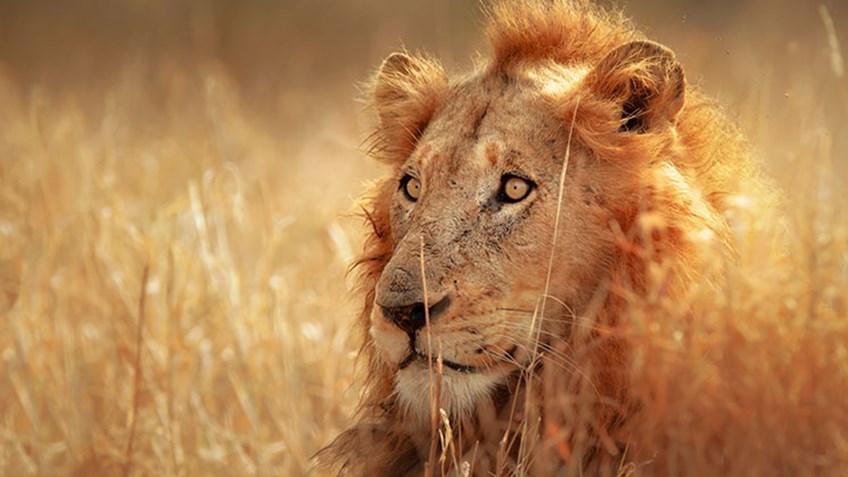
zambia_lion_hunting.jpg (1)

In what many are calling the “Cecil effect,” the drop in the number of big-game hunters entering Zimbabwe for fear of public backlash has led to lion overpopulation in its largest wildlife area—the Bubye Valley Conservancy (BVC)—as the BVC fears it may be forced to cull at least 200 of the 500-plus giant cats roaming within its borders.

Making headlines around the globe yesterday, the BVC reports the lions are destroying large numbers of other species—antelope, cheetah, leopard, giraffe, wild dogs. Compounding the problem, the area just endured its driest summer on record, decimating not only the water supply while killing but killed tall grasses, exposing prey as easy targets. Now Bubye is appealing to other wildlife sanctuaries to take some of its lions.

"I wish we could give about 200 of our lions away to ease the overpopulation,” said Blondie Leathem, BVC general manager. “If anyone knows of a suitable habitat for them where they will not land up in human conflict—or in wildlife areas where they will not be beaten up because of existing prides—please let us know and help us raise the money to move them."

What is not news is that Zimbabwe has failed to manage its wildlife populations for years. As noted in the Feb. 22 edition of the New Zealand Herald—nearly 8,000 miles away—conservationists estimate that half of Zimbabwe's wildlife has disappeared since 2000 when President Robert Mugabe began expelling white farmers and seizing their land. However, the BVC maintained its wildlife populations through continuing to attract hunters who paid the hefty bill to sustain its efforts. Now with U.S. Government restrictions on trophy lion importation in effect as of Jan. 22, lion-hunter numbers will dwindle—despite the biological impact of such a decision as the lion’s fate hangs in the balance.

Latest

LEDENRA YES Logo
LEDENRA YES Logo

NRA Announces 2026 Y.E.S. Grand Scholarship Recipients

The National Rifle Association has awarded $15,000 in college scholarships to attendees of the 2025 NRA Youth Education Summit (Y.E.S.) through the Y.E.S. Grand Scholarship program.

Recipe: Venison Empanadas

When Brad Fenson makes venison empanadas, the goal is simple. Keep the meat front and center, add enough flavor to complement it, and make a filling that stays juicy without overpowering the wild proteins. The filling is rich, balanced, and built to highlight venison, whether baked or fried.


Proof Research Unveils Shorter Barrels for Elevation 2.0 and MTR 2.0

Proof Research has announced shorter-barrel configurations for the Proof Elevation 2.0 and Elevation MTR 2.0. Both the Proof Elevation 2.0 and Elevation MTR 2.0 in shorter barrel configurations are available in Tactical Flat Dark Earth (TFDE) and the all-new Midnight color, offering shooters greater customization options alongside Proof Research's carbon fiber technology.

Range Review: Midwest Industries Bounty Hunter Revolver Brace

Thanks to Midwest Industries new Revolver Brace, you can easily mount a stabilizing brace to your favorite hunting revolvers. Check out B. Gil Horman's review of this game-changing product.

First Look: Marlin Mad Pig Customs Model 1894

Marlin has introduced its Mad Pig Customs Model 1894, a rifle developed—as its name implies—in collaboration with Mad Pig Customs. Built on Marlin's iconic lever‑action rifle platform, this model delivers modern, factory‑installed features previously found only on custom builds.

Funding Authorized to Conserve Critical Wetland Habitat

The Department of the Interior has announced that $44.79 million in North American Wetlands Conservation Act (NAWCA) funds have been approved by the Migratory Bird Conservation Commission. They will provide the U.S. Fish and Wildlife Service—and its partners—the ability to conserve, restore or enhance 185,203 acres of critical wetland and associated upland habitat for migratory birds across the United States.

Interests


Get the best of American Hunter delivered to your inbox.