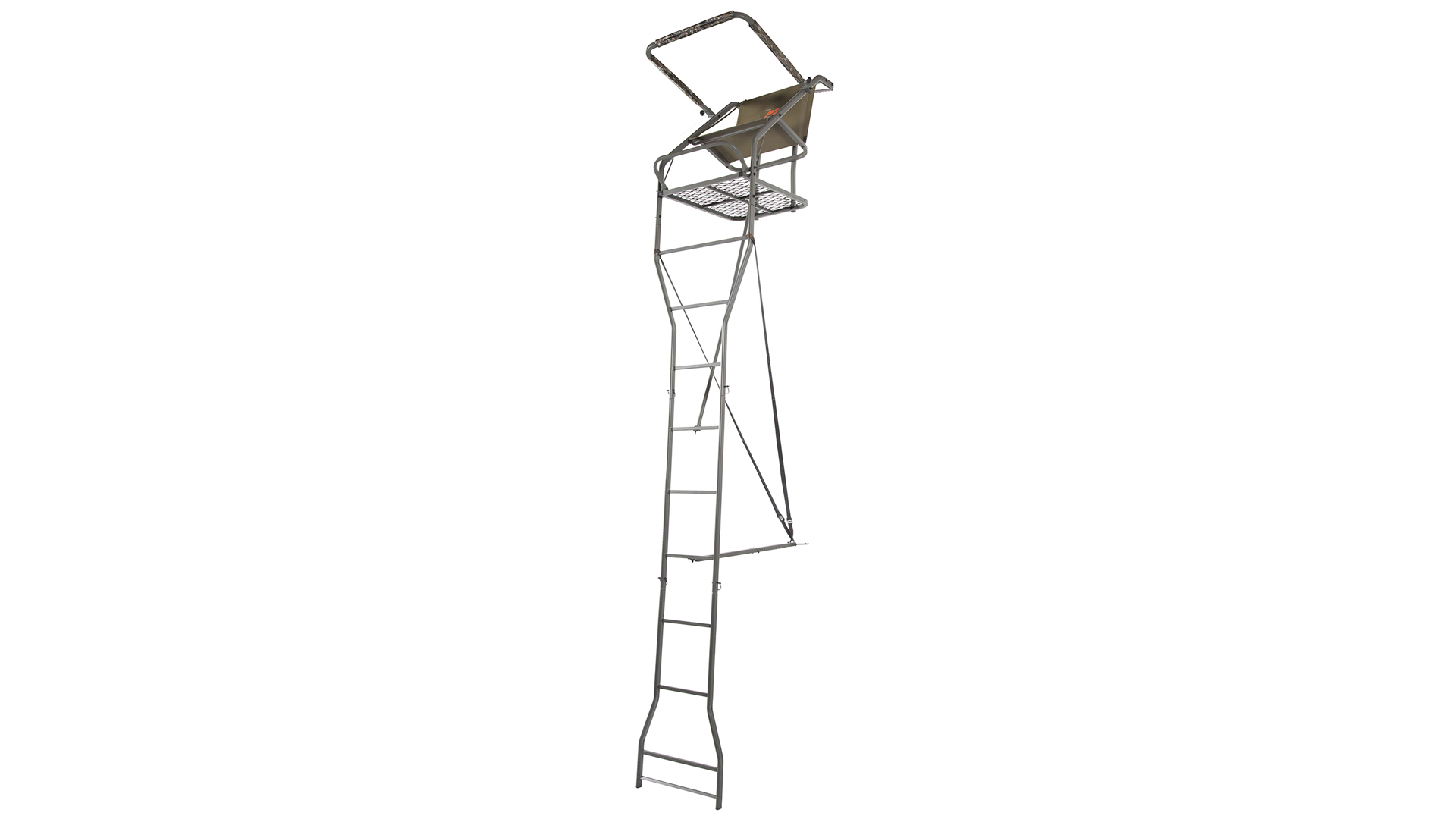
Has someone stolen your trail cam? Taken your treestand? Packed off with your pop-up blind? Or did you merely get into a shouting match with trespassers horning in on your favorite deer stand?
Stress isn’t supposed to be part of deer hunting. These days it often, usually, is. Even if crowds aren’t messing you up, they probably are making it harder for you to get a tag, find a place to hunt, stalk or track without interruption. Personally, I find applying for big-game tags so onerous and disappointing that I rarely try anymore. Instead, I just walk away. I escape to small-game hunting.

You’ll laugh if you’re fixated on antlers and horns, but if you recognize the relaxing freedom and joy in simply going afield without drama, without complicated preliminaries, without expensive trespass or outfitting fees, and just enjoying the ancient tradition of collecting wild meat, you’ll love small-game hunting.
Tree squirrels, cottontails and hares used to be the most commonly hunted game in North America. Throw marmots and woodchucks into the mix if you’d like. These days they’re virtually ignored as hunters dedicate weeks, months and piles of money preparing to get the drop on trophy bucks and bulls. If they can draw the tags.
No tags are required to indulge months of squirrel hunting. Buy a simple, inexpensive over-the-counter license in virtually any state and go hunting. Shotguns, .22 rimfires, handguns, even bows and muzzleloaders can be used. Depending on the state, squirrels and cottontails can be hunted from June through February, heck, year-round in some places. But October is the ultimate season for tree squirrels. Golden. Usually calm with pleasant temperatures. And lots and lots of fat, sassy, delectably tasty squirrels busy stockpiling nuts for winter.

Of course, you don’t have to give up deer hunting to pursue small game. You can do it on days when the wind isn’t right, when you’re resting a stand, when you’re so frazzled and stressed over big-game challenges that you need a relaxing break. Do it to introduce a new shooter, especially a young one, to the joys of the hunt.
Squirrel hunting is great training for deer hunting, too. You can search for forage trees and take a stand to learn patience. You can call them to you. You can still-hunt, glass, spot and stalk. Stealth and camouflage are part of the hunt.
Precision shooting is a big attraction. I might shoot a pet centerfire once in a season, but I can fire a finely tuned rimfire four to eight times a day during a squirrel hunt. Once the snow flies and cottontails are easier to spot, I can add them to the day’s action. And during eruptions of Western jackrabbits the shooting really gets wild.
One of the best parts of this, aside from the fine eating, is land access. Public hunting grounds tied up by deer and waterfowl hunters are often ignored by small-game hunters, especially midweek. Private landowners often grant permission to small game hunters, particularly if kids are involved. Some keep things locked up during deer season, but once it’s over, the gates are open—and small game undisturbed.
I find my best squirrel hunting in and around Midwest farms where yard trees, shelterbelts and crop fields provide a feast. Most farmers appreciate someone thinning arboreal rodents that gnaw into barns and raid grain stocks. Cottontails often hide under outbuildings and field implements from which they attack the vegetable garden.
If big-game hunting is stressing you out, just walk away. Stroll into the easy, productive world of small-game hunting.